
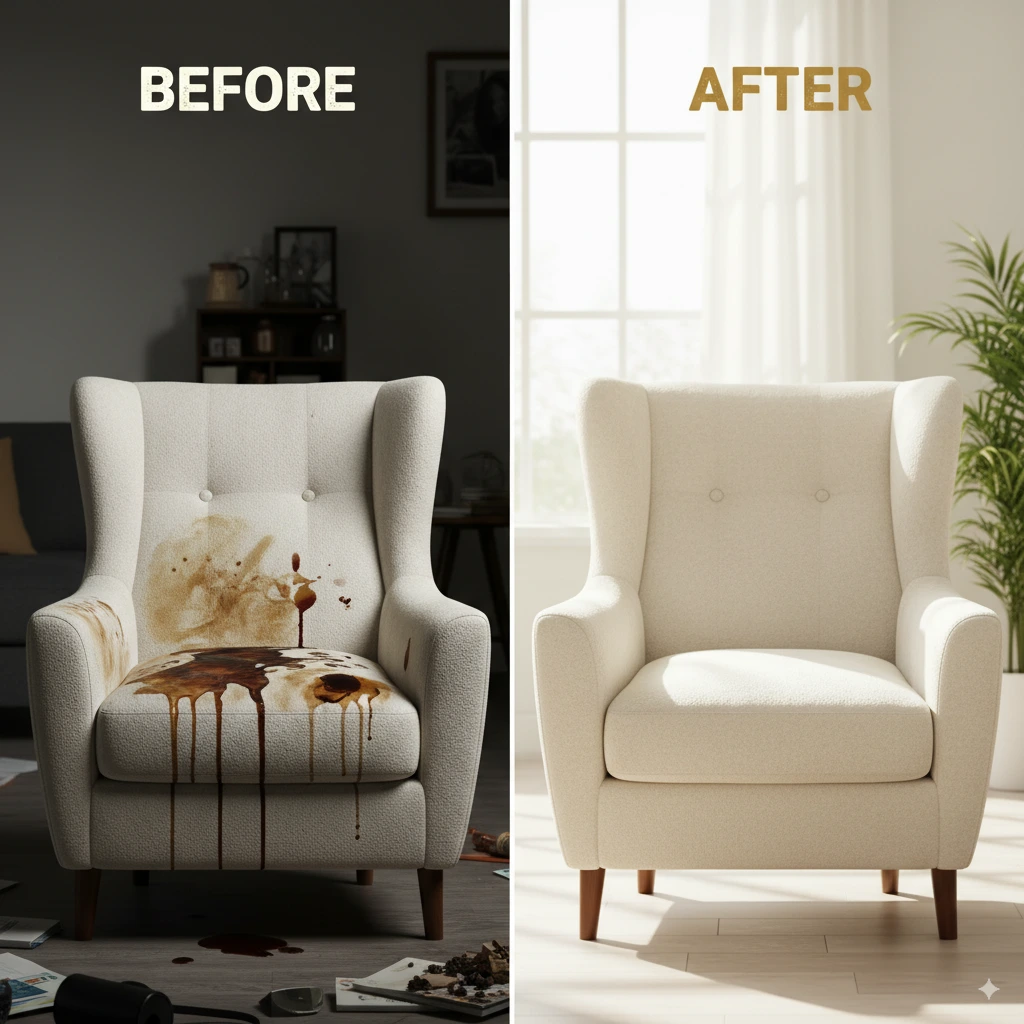
Upholstery can be a beautiful and comfortable addition to any home, but it is also susceptible to tough stains that can mar its appearance and reduce its lifespan. From spilled drinks and pet accidents to everyday wear and tear, understanding how to effectively tackle these challenges is essential for maintaining your furniture’s aesthetic and integrity.
This ultimate guide by ClinchSparkles will walk you through the various types of upholstery fabrics, common stains and their solutions, essential tools for effective cleaning, and preventative measures to keep your furniture looking its best. Whether you’re dealing with a stubborn ink mark or a greasy food spill, you’ll find the insights and techniques on how to remove stains from soda at home and general tips you need to restore your upholstery to its original glory.
Understanding Different Types of Upholstery Fabrics
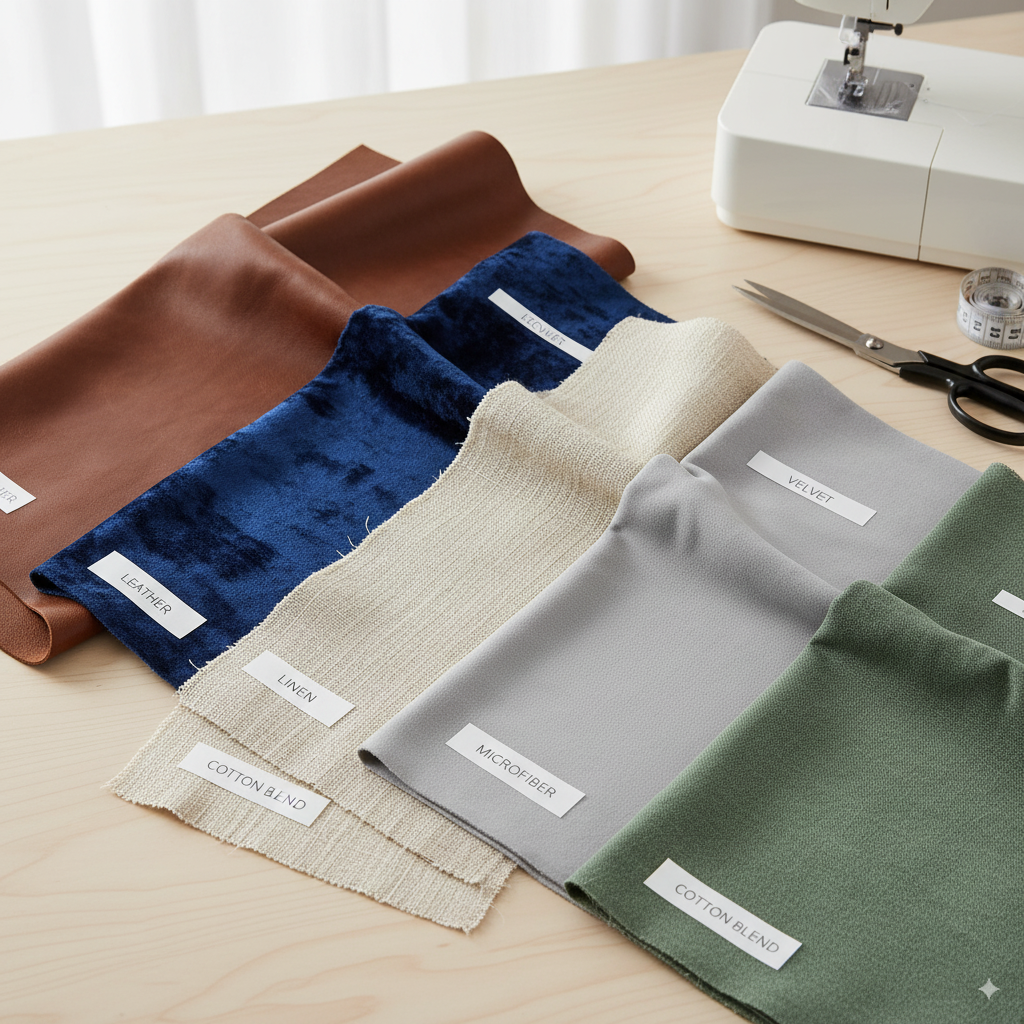
Cotton and Linen
Cotton and linen are the beloved natural fibers of the upholstery world. They’re breathable, soft, and relatively easy to clean. However, they can also absorb stains like a sponge. A spill can seep into these fibers faster than other fabrics.
Polyester and Synthetic Fabrics
Durable and stain-resistant, these fabrics are perfect for homes with kids or a penchant for spills. They don’t absorb stains as easily, but when they do, they can be a bit of a challenge. Just remember, the higher the quality, the better they repel those pesky stains.
Leather and Vinyl
Leather and vinyl are the tough cookies of upholstery. They’re classy and can add a touch of elegance to any space. However, don’t be fooled by their tough exterior; they can be prone to scuffs and stains, especially from oils and food. A gentle touch and the right cleaner can keep them looking sharp and chic.
Microfiber
Microfiber is the fabric equivalent of a Swiss Army knife: versatile, soft, and stain-resistant. This magical blend of synthetic fibers resists water and dirt, but when it comes to stains like red wine or pet accidents, you’ll want to act fast. With the right approach, microfiber can remain your best upholstery for years to come.
Understanding Different Types of Upholstery Stains
Food and Beverage Stains
These stains often happen during late-night snack attacks or festive gatherings. Unfortunately, our upholstery absorbs these little mishaps faster than we can excuse our culinary choices.
Pet Stains
For pet owners, stains from our furry friends are an inevitable part of life. Whether it’s muddy paw prints or the occasional accident, these stains can leave lingering odours if not tackled swiftly. Remember, your pet loves your furniture as much as you do too.
Ink and Paint Stains
Ink and paint stains can be particularly stubborn. They don’t discriminate between adults and kids, but they can be removed with the right techniques and a bit of elbow grease.
Grease and Oil Stains
Whether you’re a culinary wizard or just love an occasional snack, grease and oil stains can become an uninvited guest on your upholstery. They cling to the fibers and can be quite the challenge to remove. But every stain has a solution.
Common Types of Tough Stains and Their Causes
Food and Beverage Stains
These stains often happen during late-night snack attacks or festive gatherings. Unfortunately, our upholstery absorbs these little mishaps faster than we can excuse our culinary choices.
Pet Stains
For pet owners, stains from our furry friends are an inevitable part of life. Whether it’s muddy paw prints or the occasional accident, these stains can leave lingering odours if not tackled swiftly. Remember, your pet loves your furniture as much as you do too.
Ink and Paint Stains
Ink and paint stains can be particularly stubborn. They don’t discriminate between adults and kids, but they can be removed with the right techniques and a bit of elbow grease.
Grease and Oil Stains
Whether you’re a culinary wizard or just love an occasional snack, grease and oil stains can become an uninvited guest on your upholstery. They cling to the fibers and can be quite the challenge to remove. But every stain has a solution.
Step-by-Step Stain Removal Techniques
Blotting vs. Scrubbing
When a stain strikes, remember: blot, don’t scrub. Blotting gently absorbs the stain without spreading it, while scrubbing can push it deeper into the fabric.
Homemade Cleaning Solutions
Homemade cleaning solutions can sometimes be an effective upholstery stain remover, and they are also eco-friendly. Common ingredients like vinegar, baking soda, and dish soap can create powerful stain-fighting potions. Just always do a patch test first you don’t want a science experiment on your upholstery.
Spot Cleaning Guidelines
Spot cleaning is an art form. Start from the outside of the stain and work your way in to prevent spreading. Always dab gently, use a clean cloth for application, and remember to rinse the area afterwards. Following these rules will keep you feeling like a pro.
Deep Cleaning Methods
When all else fails, it’s time for a deep clean. This often involves steam cleaning or using a specialized upholstery cleaner. Make sure to follow manufacturer guidelines and test a small area first. A deep clean can get old stains out of couch and make your upholstery feel brand new.
Natural vs. Chemical Cleaners: What to Choose
Benefits of Natural Cleaners
Natural cleaners are like the friendly neighborhood superheroes of the cleaning world. They’re usually made from plant-based ingredients, which means they’re less likely to cause allergic reactions or irritate sensitive skin. Plus, they often come without the guilty conscience of harsh chemicals. Vinegar, baking soda, and lemon juice can tackle stains while also being environmentally friendly, so you can feel good about cleaning and saving the planet at the same time.
Effectiveness of Chemical Cleaners
On the flip side, chemical cleaners are the heavy hitters. They come packed with powerful agents that can obliterate even the most stubborn stains. If coffee, red wine, or pet accidents have stained your upholstery, chemical cleaners might just be your best bet. However, a word of caution: they can be potent, sometimes too potent for certain fabrics, so always play it safe and test a small area first.
Safety Considerations
When it comes to cleaning your upholstery, safety should always be top of mind. Natural cleaners typically pose fewer risks, making them a good choice for homes with kids and pets. Chemical cleaners, while effective, can release fumes and may contain toxic ingredients. So, ventilate the area, wear gloves, and contemplate the potential side effects.
Tips for Preventing Future Stains
Use of Fabric Protectors
Prevention is the best defense, and fabric protectors are like a force field for your upholstery. Spraying a protector on your furniture creates a barrier against spills and dirt, making it easier to wipe away messes before they become permanent residents. Just remember, these protectors aren’t invincible, reapplying them every few months ensures your defenses are always up and running.
Regular Cleaning and Maintenance
Don’t wait for a stain to turn into a full-blown disaster, regularly vacuuming your upholstery helps eliminate dirt and debris, keeping your furniture looking fresh. Schedule a cleaning every so often and your upholstery will thank you.

Immediate Stain Response
Time is of the essence when it comes to stains. The longer you wait, the more they settle into your fabric like an uninvited guest. Always blot (don’t rub) the stain immediately with a clean cloth, and if you’ve got a stain-fighting solution handy, now is the time to whip it out. The quicker you act, the better your chances of keeping your upholstery in top shape.
When to Seek Professional Cleaning Services
Signs Your Upholstery Needs Professional Help
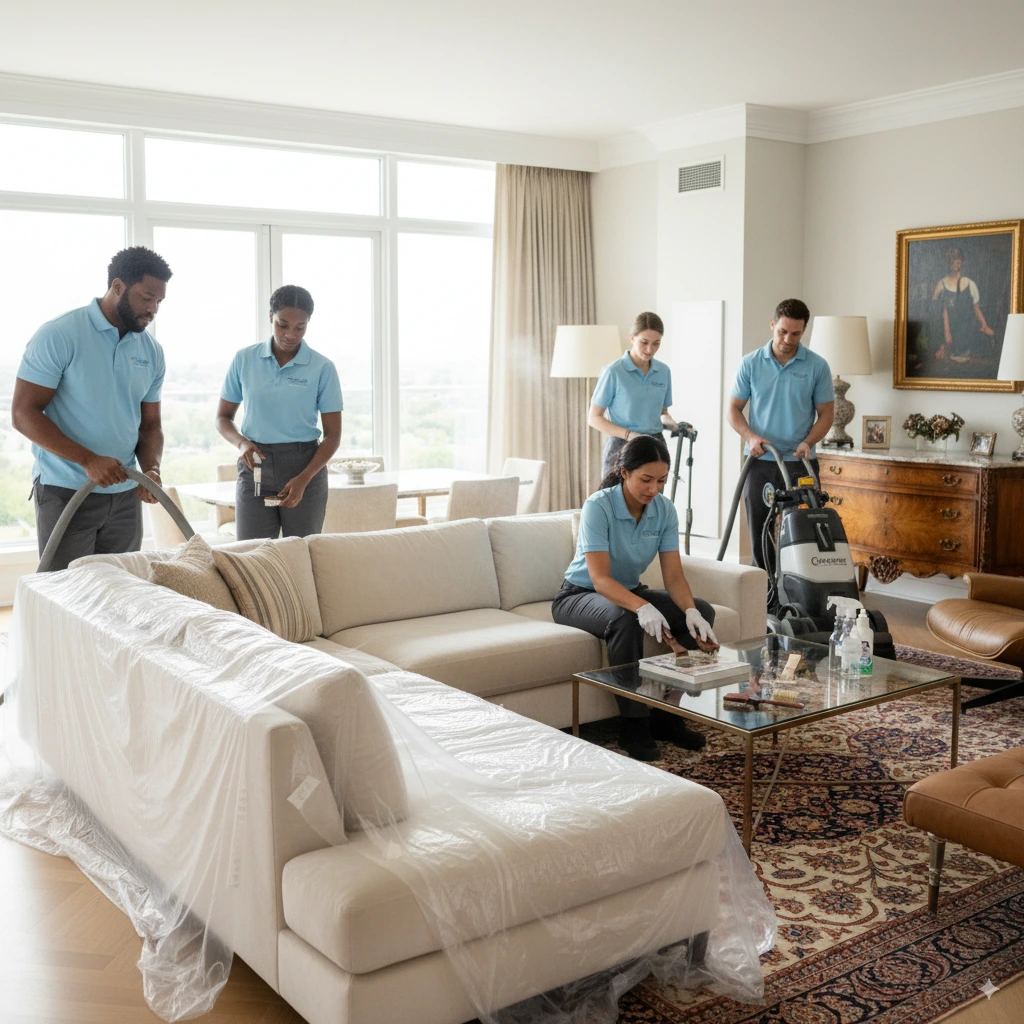
Sometimes, despite your best efforts, even the most dedicated at-home cleaner needs a break. If you start noticing water stain on couch, lingering odors, unsightly stains that won’t budge, or discoloration, it might be time to call in the pros. If your furniture looks more vintage than stylish, you know it’s time to work with the best couch stain remover for a professional cleaning intervention.
Choosing the Right Cleaning Service
Not all cleaning services are created equal. When selecting a cleaning service, look for companies with good reviews, eco-friendly practices, and experienced technicians. For cleaning businesses, going green can improve their brand and attract eco-conscious customers. Ask about their cleaning methods and make sure they’re familiar with your upholstery type. After all, you wouldn’t trust your prized possessions with just anyone.

Maintenance and Care for Upholstered Furniture
Routine Cleaning Practices
Routine cleaning is like a health check-up for your upholstery. Regularly vacuuming, flipping cushions, and spot-cleaning spills will keep your furniture looking its best. A simple brushing with a soft brush can also prevent dirt buildup. You might not always want to do it, but your upholstery will feel and look way better afterward.
Handling Wear and Tear
As with anything in life, wear and tear are inevitable. If your upholstery starts showing signs of aging, consider patching up small tears and snags before they become major issues. Fabric glue or a needle and thread can work wonders for minor repairs, or you can cover up imperfections with stylish throws or cushions.
Seasonal Deep Cleaning Tips
Seasonal deep cleaning is the upholstery equivalent of spring cleaning, but with more flair. Set a schedule to give your furniture a thorough cleaning a couple of times a year. This may involve steam cleaning, professional upholstery cleaning, or even simply shampooing with a specialized cleaner. Ensure you follow the manufacturer’s guidelines, and you’ll keep your furniture looking fabulous for years to come.
In conclusion, mastering the art of stain removal from upholstery not only enhances the appearance of your furniture but also extends its lifespan. With the right techniques, tools, and preventative measures, you can tackle tough stains with confidence and keep your upholstered pieces looking fresh and inviting. Remember that regular maintenance and prompt attention to spills can make all the difference. By following the guidelines outlined in this guide, you’ll be well-equipped to handle any upholstery challenge that comes your way.
Can I use regular household cleaners on all upholstery fabrics?
No, not all upholstery fabrics can handle regular household cleaners. Always check the care label and test any cleaner on a small, inconspicuous area first to avoid damage.
How can I remove tough stains without damaging the fabric?
To safely remove tough stains, use a blotting technique with a mild cleaning solution, and avoid scrubbing vigorously. For delicate fabrics, consider using a professional cleaner.
What should I do immediately after a spill occurs?
Act quickly by blotting the spill with a clean, dry cloth to absorb as much liquid as possible. Avoid rubbing, as this can spread the stain or push it deeper into the fabric.
How often should I clean my upholstery?
It’s recommended to vacuum upholstery weekly to remove dust and debris, while deep cleaning should be done every 6 to 12 months, depending on usage and exposure to stains.